 Doing good isn’t just about sustainability practices or B Corp certification—it’s also woven into the very fabric of how we communicate. At CK, we believe good marketing should never cause harm, which is why our work is rooted in a trauma-informed communications framework that prioritizes empathy, inclusivity and respect.
By centering trauma-informed marketing strategies, we create campaigns that are not only eye-catching and engaging, but also build trust, spark connection and uplift communities.
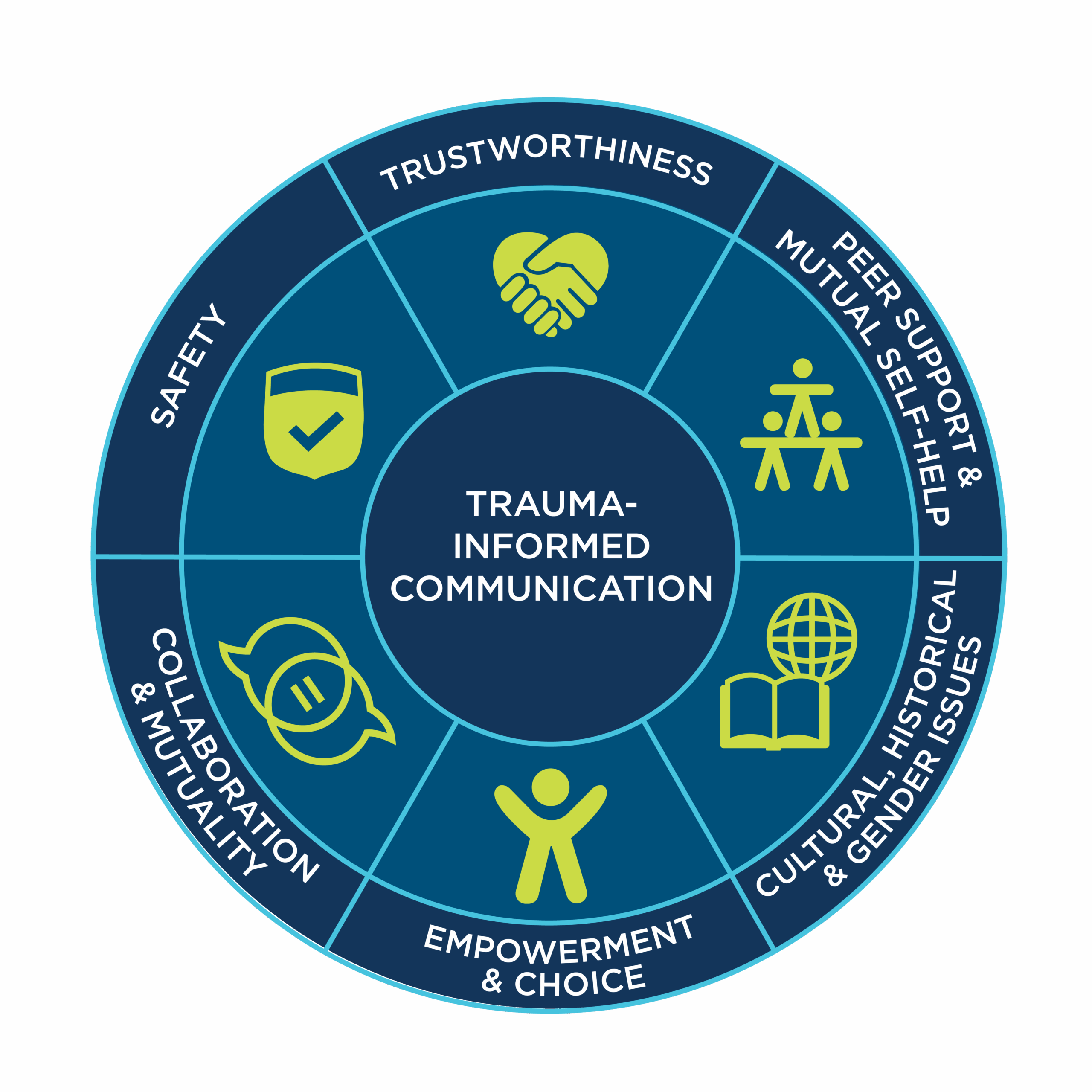
Our Trauma-Informed Marketing Framework
Here’s how we bring trauma-informed language into our marketing work in Oregon and beyond:
- Safety – Audiences are emotionally safeguarded through transparent, empathetic and culturally informed messaging.
- Trustworthiness – Content is accurate, consistent and clear.
- Collaboration & Peer Support – Messages are co-created with communities and people with lived experience, while uplifting trusted resources.
- Empowerment & Choice – Stories focus on strengths, use inclusive language and validate real concerns.
- Cultural Responsiveness – We acknowledge historical and systemic barriers while making space for community voice and traditions.
Trauma-Informed Communication in Action
Here are a few ways our trauma-informed approach has shaped real campaigns:
REAL ID
Recognizing that systemic barriers affect many groups, including rural residents, naturalized immigrants, older adults and transgender/gender-diverse (TGD) Oregonians, we prioritized cultural and historical awareness from the start. Through our community engagement, it became clear the TGD concept needed additional work. So, working directly with members of those communities, we refined scripts and casting to ensure the tone and visuals aligned with lived experience. This commitment to trustworthiness and empowerment built authentic connections that drove results: during the first two months, the TGD spot led our social media campaign in conversions, earned the second highest click-through rate and encouraged more than 205,000 Oregonians to get their REAL IDs. This underscores a key truth about community engagement: when we listen deeply and create with community rather than for them, we create messages that resonate far beyond any one group.
Read more about how community-led insights drove REAL ID success in Oregon.
988 Oregon
Balancing trauma-informed language with compelling storytelling is always a tightrope. You need emotional pull without sensationalism, memorability without harm. With 988, we proved both were possible with ads like Sadie and Someone to Talk to. We leaned into empowerment, collaboration and choice, centering hope as our north star. Community advisor groups helped shape and refine each concept, ensuring nuance and community awareness every step of the way. Instead of crisis tropes, ads focused on real turning points and everyday stressors. And each ad ended with a note of hope, even when issues weren’t neatly resolved, reflecting the real-world role of 988: connection, not quick fixes. The result was stories that respected lived experience and drove awareness. In the first 2 ½ months of the campaign, 988 contacts in Oregon rose 17%. Together, this work shows that trauma-informed storytelling doesn’t limit impact, it amplifies it.
Read more about Connect to Hope: our marketing campaign to grow awareness of 988 in Oregon.
Rethink the Drink
Rethink the Drink (RTD) took a different approach to alcohol messaging: no scare tactics, no blame. Instead, we chose an empathetic, non-judgmental tone, posing questions about alcohol use while making space for reflection without shame, both at the individual and community level. We worked closely with OHA partners including CBOs, county health departments and health equity coalitions to shape campaigns, co-creating content that spoke to people where they were, including a full Spanish-language and Spanglish campaign that connected powerfully with bicultural Latino/a/e/x audiences. The results were astounding. Focus groups consistently described RTD as believable, empowering and respectful, and a recent survey found that 66% of people in Oregon agree alcohol should have less of a presence in their community—proof that safety and trust matter when changing minds.
Read more about Rethink the Drink, a first of its kind campaign.
The takeaway
Trauma-informed communication isn’t just a framework—it’s a practice that makes marketing more inclusive, respectful and effective. By centering safety, trust, empowerment and cultural humility, we create campaigns that don’t just reach people, they resonate with them. For organizations seeking ethical, community-rooted and trauma-informed marketing, this approach offers a path to authentic impact and lasting change.